Whole-systems design for agroecological and regenerative land use


Land that works for generations — ecologically, productively, and economically. Designing systems that unite soil health, water, biodiversity, and food production into a coherent whole. Grounded in practice. Rooted in ecology and designed for resilience.

Land is not a set of separate problems.
It is a living system.


My work brings ecological science, practical land management, and systems thinking together to guide meaningful land transitions — from simplified or degraded ground to productive, biodiverse landscapes.

Services

    • Whole-site walk and contextual assessment

    • Initional observations of soils, hydrology, access, infrastructure, and land-use history

    • Identification of constraints and opportunities

    • Strategic discussion of ambitions, timelines, and viability

    • Prioritised recommendations tailored to context

    • Whole-site assessment

    • Soil survey & testing interpretation

    • Hydrological analysis

    • Ecological baseline survey

    • Constraints & opportunities mapping

    • Written assessment report

    • Whole-site masterplanning

    • Agroforestry & perennial systems

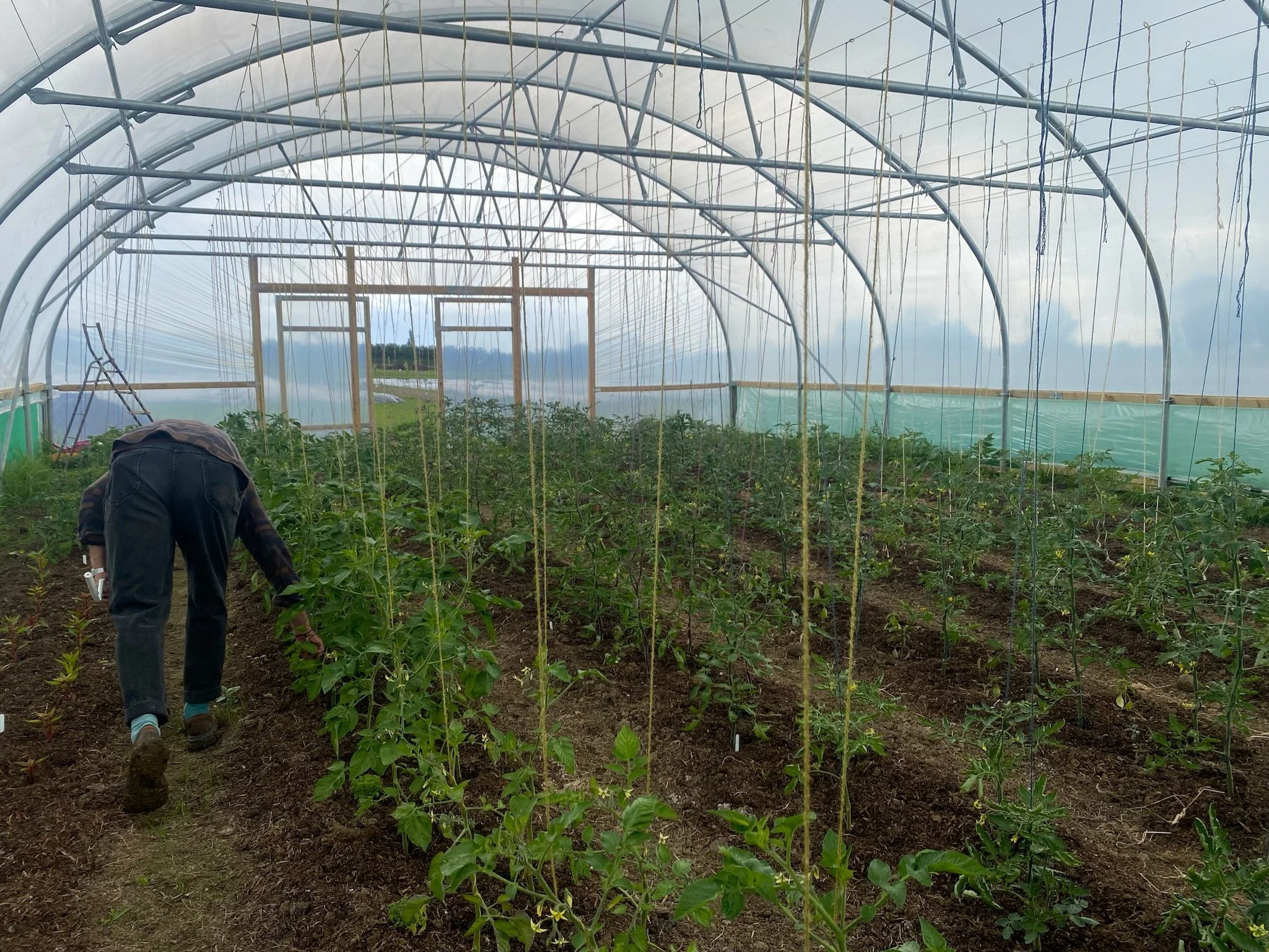
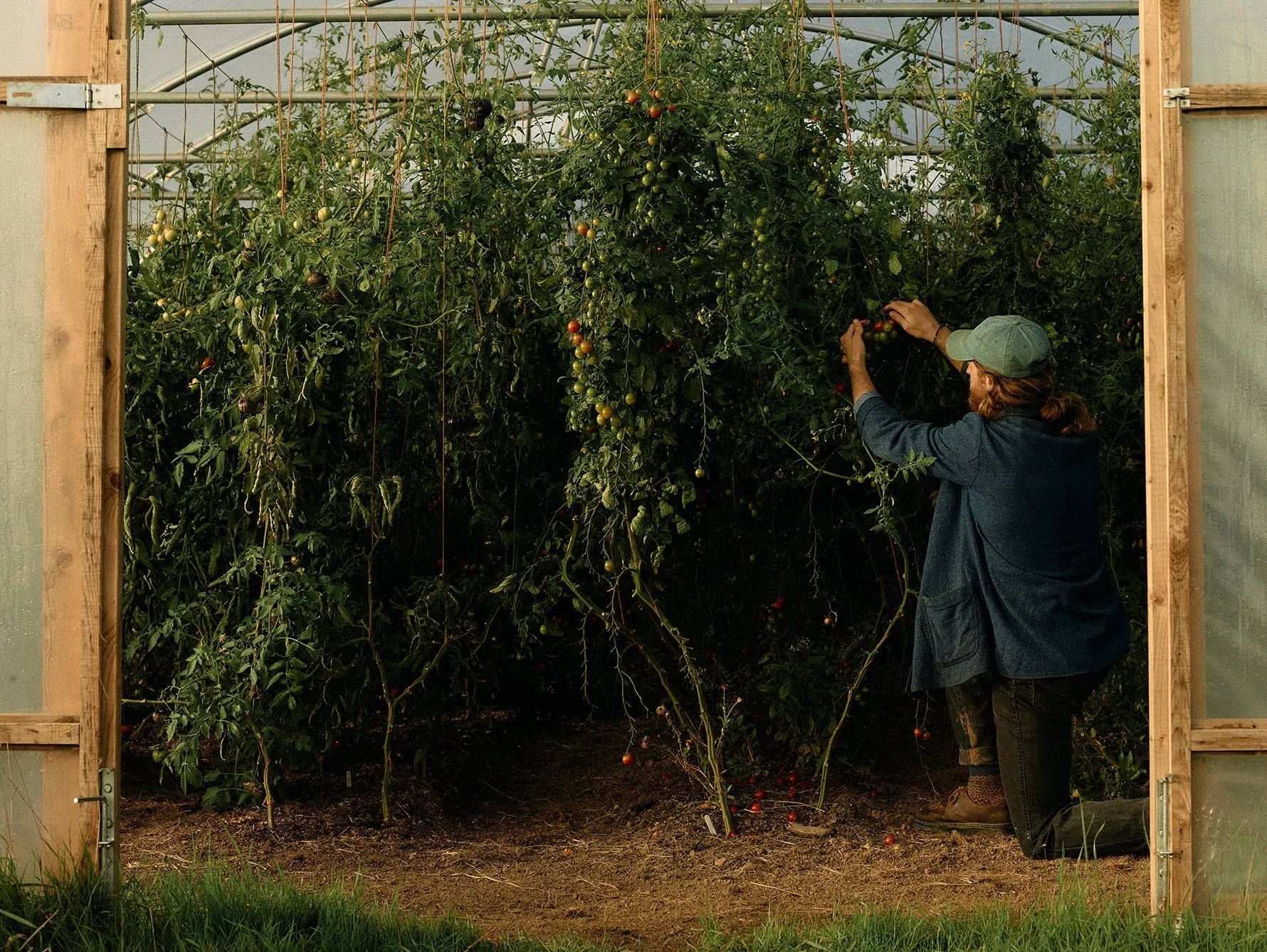
    • Regenerative cropping & market garden systems

    • Integrated livestock & grazing

    • Habitat & biodiversity integration

    • Ornamental public-facing landscape design

    • Soil assessment & testing interpretation

    • Compost & biological fertility systems

    • Regenerative nutrient planning

    • Adaptive ecological management

    • Site-wide hydrological assessment

    • Catchment analysis & water flow mapping

    • Rainwater capture & storage strategies

    • Irrigation system design

    • Swales, retention features & infiltration design

    • Drainage redesign in compacted or degraded ground

    • Phasing & project sequencing

    • Water systems (irrigation, capture, storage)

    • Infrastructure coordination

    • Crop & propagation systems

    • Fertility & pest management frameworks

    • Soil carbon & biological monitoring

    • Biodiversity survey frameworks

    • Habitat condition assessment

    • Data collection protocols

    • Research design & validation

    • Reporting for funded or grant-supported projects

    • Operational planning

    • Budgeting & modelling

    • Grant applications

    • Development of phased growth strategies

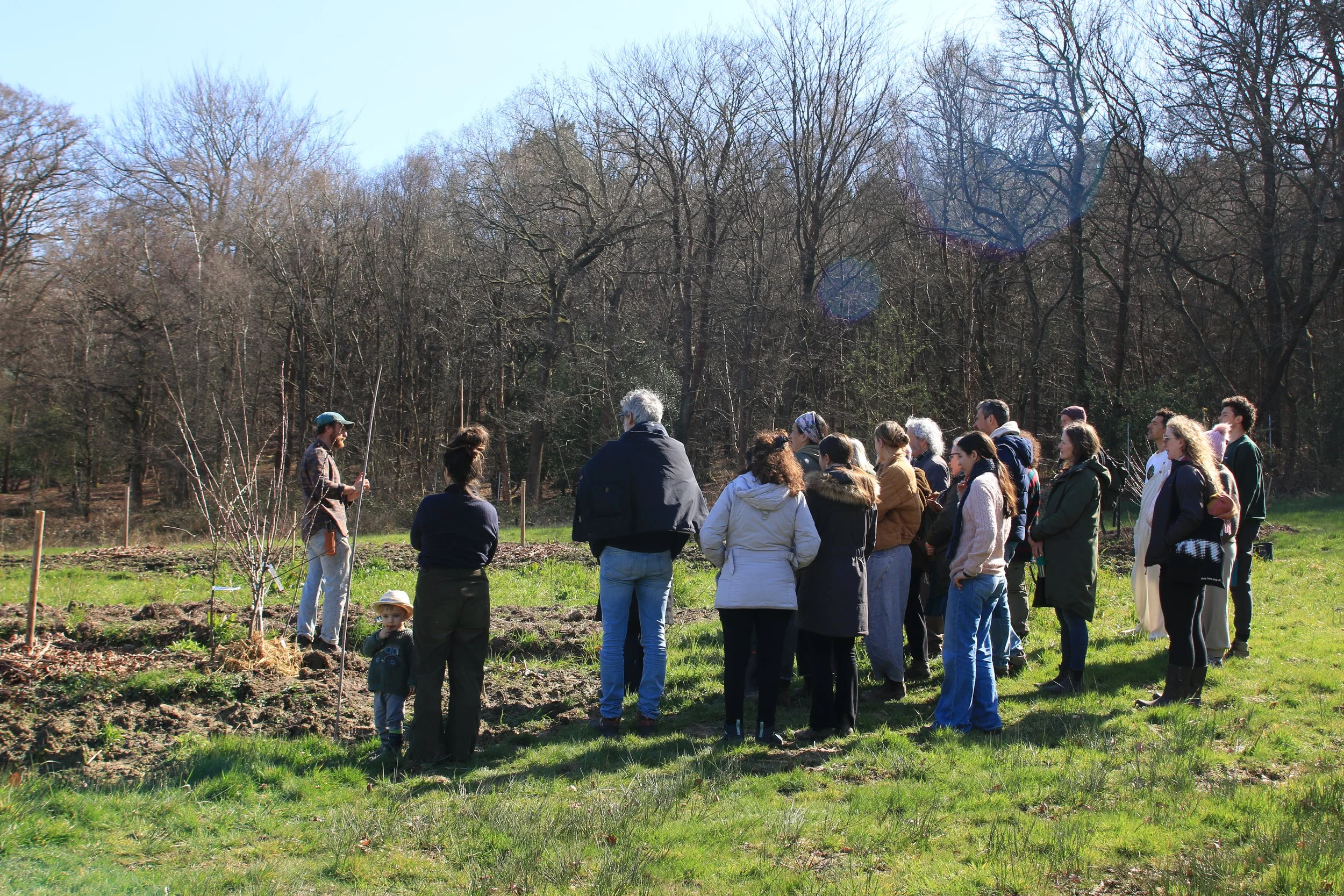
    • On-site workshops & field days

    • Structured training programmes

    • Curriculum design

    • Team facilitation

    • Public speaking & sector engagement

why whole-systems design matters

Most land today is managed in parts — optimised for a single output, a single season, a single problem. The result is landscape that is simplified, depleted, and degenerative. The alternative isn't just better management — it's a different way of seeing land altogether. By treating it as an integrated system rather than a collection of separate decisions, whole system design restores the ecological function that makes regeneration, resilience, and productivity possible — not as competing priorities, but as outcomes that reinforce each other.

"The soil is the great connector of lives, the source and destination of all. It is the healer and restorer and resurrector, by which disease passes into health, age into youth, death into life."

— Wendell Berry, The Unsettling of America

land is not separate from us

We have spent generations treating land as a resource — something to be managed, extracted from, made to perform. The result is a landscape that is simplified, depleted, and degenerative. And a human population that is, in many of the same ways, unwell.

This is not a coincidence.

The health of the soil is the health of the food. The health of the food is the health of the body. The health of the body is the health of the mind, the community, the culture. These are not metaphors — they are biological facts, playing out across every landscape that has been stripped of its complexity and every population that has lost its connection to living ground.

Farming and land management sit at the centre of this. They are the point at which human intention meets the living world most directly — where the decision to work with ecological function rather than against it ripples outward into everything. Water. Biodiversity. Climate. Food. Human health. All of it flows from what we do with the land.

This is why this work matters. Not as a niche specialism or an ecological luxury — but as one of the most consequential acts available to us. To heal a landscape is to heal a system. And healthy systems sustain life — human and otherwise — for generations.

If you have land, you have influence. And if you are ready to use it, I would love to help.


how engagements typically begins

Projects vary in scale and complexity, but most follow a clear progression:

  1. Conversation and initial scoping

  2. Site visit and contextual assessment

  3. Focused survey and analysis

  4. Whole-systems design

  5. Phased implementation

  6. Monitoring and adaptive management

Support can be scoped flexibly depending on ambition, capacity, and project stage.

Working with land requires patience, precision, and the ability to hold ecological, operational, and economic layers simultaneously.

If you would like to explore how your land might transition toward greater resilience and function, I welcome an initial conversation.

Get in touch

By sending me an email at info@livingsystems.co.uk

Or by filling out the form below